

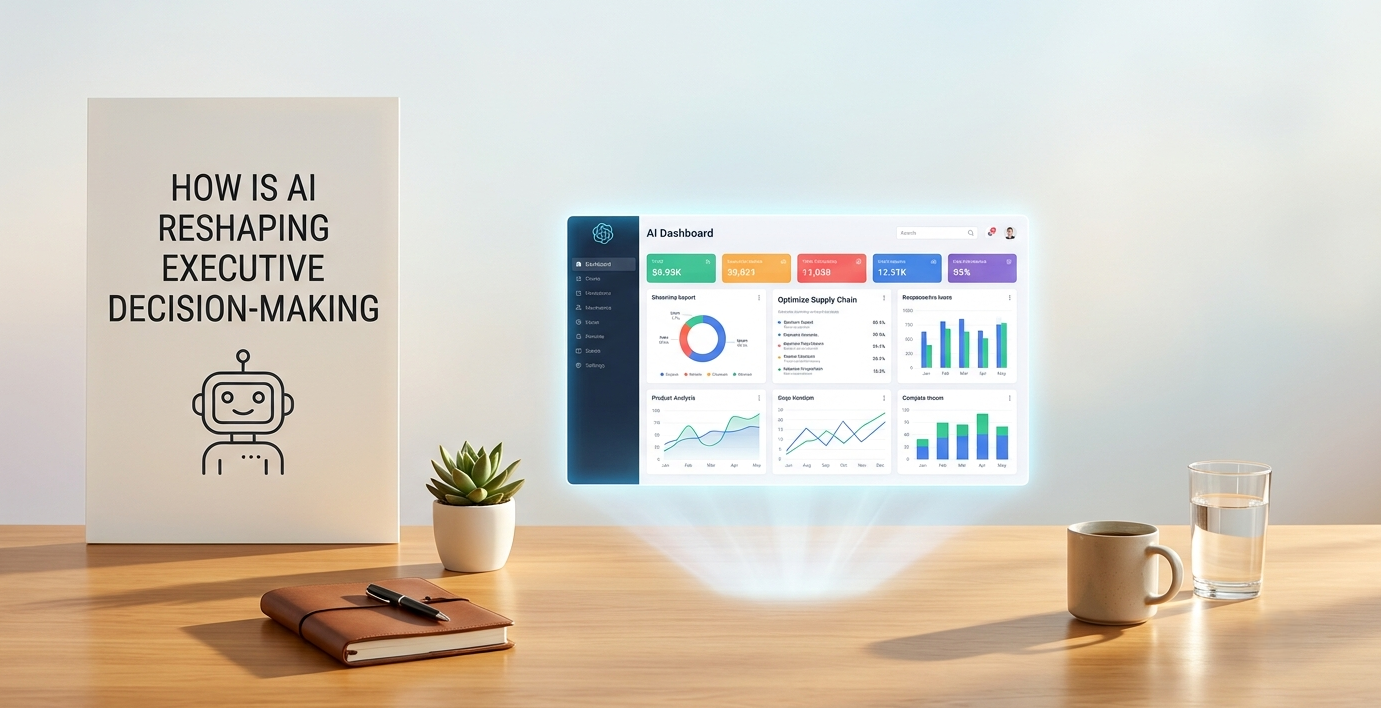
TechBullion published an interview‑style piece featuring Anna Rudaia, a senior executive who has overseen AI adoption in her organization. She explains how artificial intelligence is being embedded into executive decision‑making processes. Rudaia describes specific platforms that synthesize market data, internal performance metrics, and scenario modeling. The story emphasizes that AI is not a novelty but a functional layer that augments human judgment. By sharing real‑world examples, the article shows how leaders are relying on AI to cut analysis time and surface hidden risks. This focus on practical impact makes the piece relevant for anyone watching corporate governance evolve.
The article then outlines the concrete ways AI tools are being integrated into decision workflows. It highlights the ripple effects on speed, risk assessment, and organizational culture.
What Changed?
- Executives now use AI dashboards that automatically aggregate financial, operational, and market data for a unified view.
- Scenario‑planning tools powered by machine learning generate risk forecasts that inform board discussions.
- AI‑driven recommendation engines suggest strategic options, shortening the time from insight to action.
- Data‑quality protocols have been upgraded to feed reliable inputs into AI models, improving trust in the outputs.
- Organizational cultures are shifting to value data literacy, with senior leaders encouraging teams to interpret AI insights.
AI is becoming a strategic partner for executives, Anna Rudaia’s insights illustrate how AI is already reshaping the way senior leaders evaluate options, and they signal a shift toward data‑driven governance that will become routine in boardrooms.