

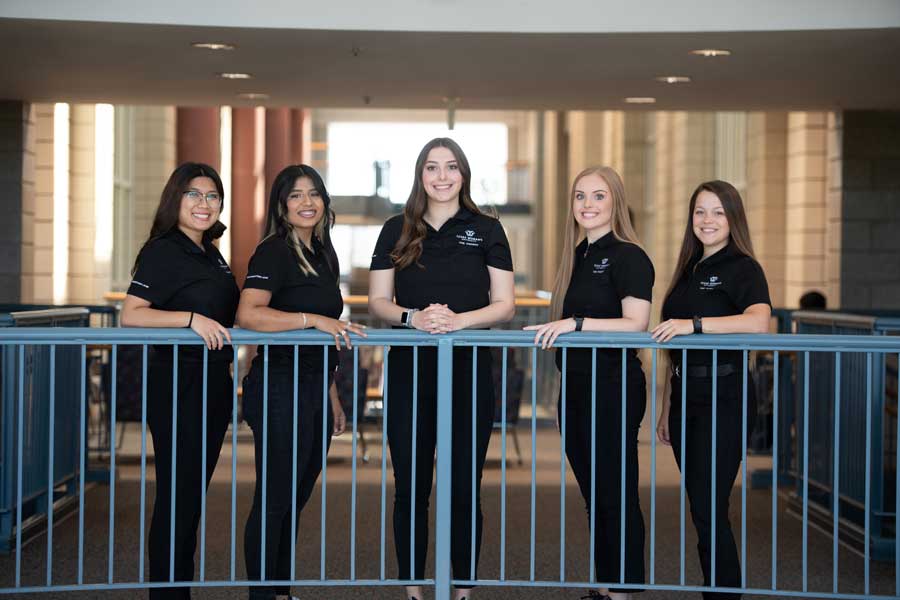
A group of all‑women student teams at the University of Texas at Austin are building on technology they earned from a recent NASA competition. After winning prize funding, the teams have moved beyond the initial design phase to develop functional hardware and software. Their projects focus on capabilities needed for future space missions, such as autonomous navigation and robotic manipulation. The university is providing lab space, mentorship, and additional funding to keep the work moving forward. This initiative not only advances the specific technologies but also underscores the increasing presence of women in aerospace engineering. The progress is being tracked by the university’s news outlet, the Daily Texan.
These teams are now turning their award‑winning concepts into working prototypes. Their efforts illustrate how university resources and NASA support can accelerate the path from idea to application.
Summary
- Prize money and mentorship from NASA enabled the teams to secure lab resources and components for prototype construction.
- Concepts originally presented in the competition are now being tested in functional hardware, moving from paper to practice.
- The projects have incorporated autonomous navigation algorithms tailored for low‑gravity environments.
- A focus on robotic arm manipulation has progressed to include real‑time sensor feedback and control loops.
- The visibility of all‑women engineering teams has increased, encouraging broader participation in aerospace research.
The continued development of NASA‑prize technology by all‑women teams at UT showcases how student‑driven innovation can translate competition success into real‑world aerospace progress, while also highlighting the growing role of women in engineering.