

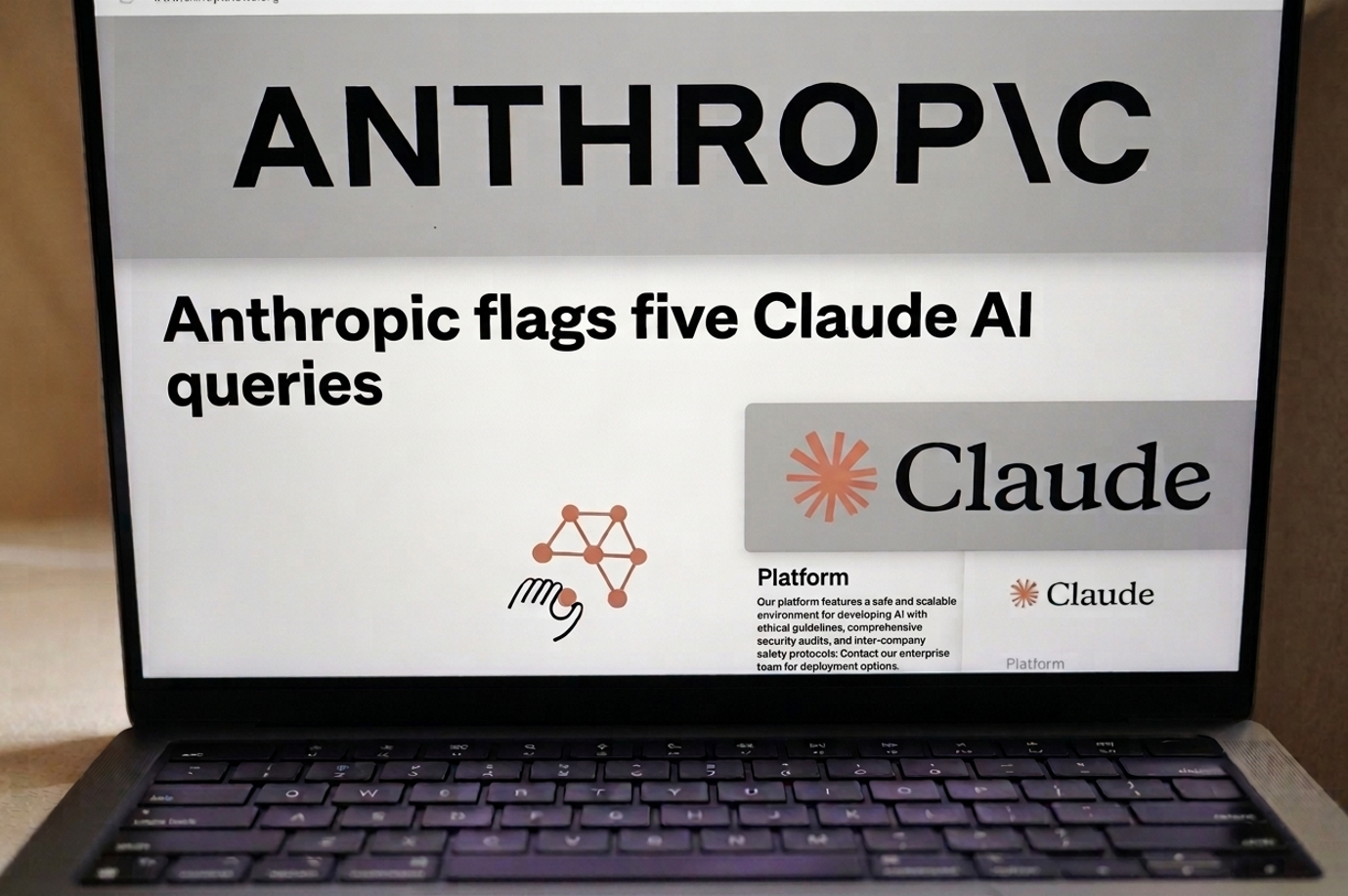
Anthropic, the creator of the Claude AI large‑language model, announced that it had identified five separate instances where the system was used in work linked to potential bioweapon research. The company says the queries involved attempts to design or improve harmful biological agents, prompting internal reviews and external reporting. This marks one of the most concrete public acknowledgments of AI being applied to biosecurity threats. Anthropic’s response includes enhanced monitoring and collaboration with authorities to curb such misuse. The episode underscores the dual‑use nature of advanced AI tools, capable of both beneficial and dangerous applications. Understanding what happened helps stakeholders gauge the real‑world risks of unrestricted AI access.
These findings prompted Anthropic to tighten its monitoring systems. The ripple effects are now shaping how the industry approaches AI safety in high‑risk domains.
What Changed?
- Anthropic publicly disclosed five specific Claude AI interactions linked to bioweapon‑related research.
- The company upgraded its internal monitoring tools to better detect high‑risk queries.
- Anthropic reported the findings to relevant law‑enforcement and biosecurity agencies.
- The incident sparked renewed discussion among AI developers about dual‑use safeguards.
- Stakeholders are now calling for clearer industry standards on AI use in sensitive scientific fields.
Why the Claude AI misuse matters
Anthropic’s disclosure shows that powerful language models can be leveraged for illicit bio‑research, highlighting the urgent need for robust safeguards and oversight in AI deployment.