

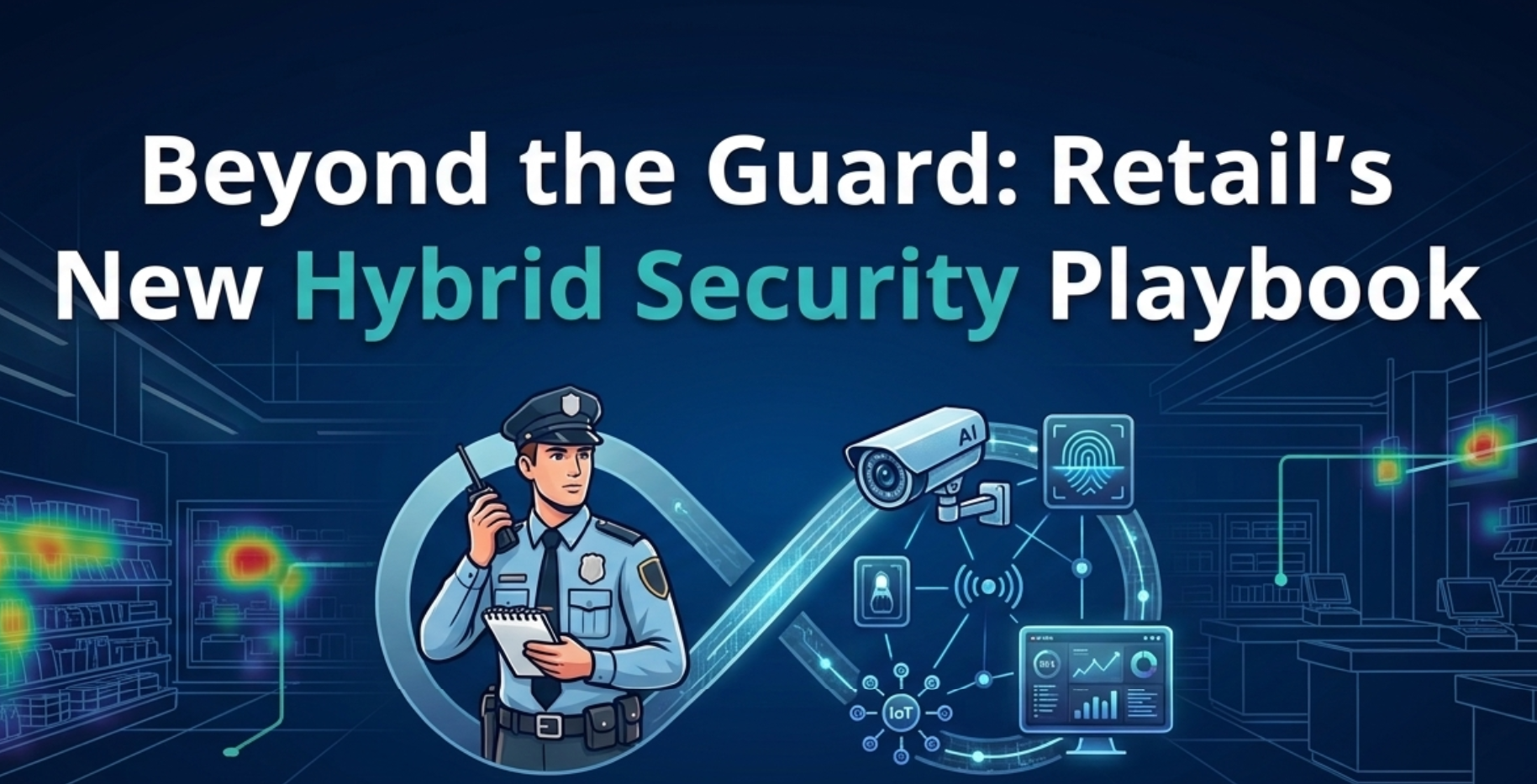
Retail Insight Network published an analysis questioning the traditional reliance on security guards in stores. The article explores whether advanced technologies such as AI‑driven video analytics, sensor networks, and automated monitoring can replace or augment human personnel. It draws on industry observations to illustrate how retailers are re‑evaluating guard duties in light of cost pressures and evolving loss‑prevention tools. By comparing real‑world case studies, the piece underscores the strategic trade‑offs between people‑centric and tech‑centric security models. The conversation is timely as retailers seek to protect assets while maintaining a welcoming customer experience. Ultimately, the article calls for a hybrid approach that leverages both human judgment and technological precision.
As retailers weigh the pros and cons of each approach, they must decide how to integrate technology without discarding the human element. The following points outline the key changes emerging from this debate.
What Changed?
- Retailers are piloting AI video analytics to monitor shop‑floor activity in real time.
- Traditional guard patrol routes are being redesigned to concentrate on high‑value tasks like customer interaction and incident response.
- Investment budgets are shifting, allocating more funds to sensor‑based systems and less to full‑time guard staffing.
- Training programs for security staff now include data‑interpretation skills to work alongside automated alerts.
- Policy frameworks are evolving to define clear responsibilities between human personnel and autonomous monitoring tools.
Why the Shift in Retail Security Matters
The discussion highlights that retail security is at a crossroads, where relying solely on human guards or technology is insufficient. Understanding this balance helps retailers design safer, more efficient stores.